

Portable Solar Generators: 1kWh Comparison (2026)
Compare the BROWEY S1600 with EcoFlow, Anker, and Jackery 1kWh solar generators for outages, camping, and off-grid backup.
Portable solar generators are a practical way to keep phones, lights, a router, a laptop, a CPAP, or selected camping gear running without fuel or indoor exhaust. In the roughly 1kWh class, the right model is about more than a capacity number: watt-hours describe stored energy, continuous watts determine which loads can run, and solar input sets the ceiling for compatible-panel charging.
I’m Jason, and I built this as a research-based comparison after checking the BROWEY S1600 listing you sent and manufacturer specifications for EcoFlow, Anker, and Jackery. I did not put these models through a long-term load test. Published specifications, review signals, warranty terms, and system compatibility are the evidence here. I also left out prices because listings change.
Quick Picks: 1kWh Portable Solar Generators
| Product | Best For | Standout Specification | Link |
|---|---|---|---|
| BROWEY S1600 Portable Power Station | All-in-one solar-panel convenience | 1,024Wh LiFePO4 battery, 1,600W output, integrated solar panel | Check the BROWEY S1600 on Amazon |
| EcoFlow DELTA 2 | Expandable backup ecosystem | 1,024Wh, 1,800W output, up to 500W solar input | Check the EcoFlow DELTA 2 on Amazon |
| Anker SOLIX C1000 Gen 2 | Higher-output essentials and fast recharging | 1,024Wh, 2,000W output, 600W solar input, 10ms UPS | Check the Anker SOLIX C1000 Gen 2 on Amazon |
| Jackery Explorer 1000 v2 | Straightforward camping and outage backup | 1,070Wh, 1,500W output, LiFePO4 cells, 100W USB-C | Check the Jackery Explorer 1000 v2 on Amazon |
How to Compare a 1kWh Power Station
A 1,024Wh station does not send exactly 1,024Wh to an AC appliance. DC-to-AC conversion, heat, device cycling, and battery-management overhead reduce usable runtime. A router and a few LEDs behave very differently from a compressor refrigerator, coffee maker, or heater.
Continuous output is the second filter. The 1,500W–2,000W stations here can support many selected essentials, but they are not whole-home generators. Check the appliance label for running watts and starting surge, then leave headroom. High-wattage heat appliances can drain any 1kWh battery quickly even if the inverter can run them.
Finally, do not confuse a “solar generator” label with fast solar recharging. A 500W or 600W solar-input rating is the maximum a unit can accept from a compatible external array in favorable conditions. Weather, shade, panel angle, wire loss, and charge state change real results. NREL PVWatts is useful for location-based solar estimates, but it cannot promise a specific recharge time.
1. BROWEY S1600 — Best if the Built-In Solar Concept Is the Priority
Check the BROWEY S1600 on Amazon
The BROWEY S1600 is the distinctive design in this comparison. The current listing combines a 1,024Wh LiFePO4 battery, 1,600W continuous output, 3,200W peak output, 100W USB-C charging, and a built-in fold-out solar panel. That makes it appealing for a cabin, vehicle, camper, or emergency tote where you value a self-contained setup over the lightest packing list.
The important caveat is solar throughput. A compact integrated panel is convenient for a slow top-up, but it should not be treated as an automatic replacement for a larger external array. Before ordering, confirm the selected variation’s solar-input limit, supported DC voltage/current, panel orientation, package contents, and warranty terms.
The listing showed 4.6 out of 5 stars from 115 ratings when checked. That is encouraging but a much smaller review base than established alternatives. My take: the BROWEY is the most interesting all-in-one option if the attached panel will make you use solar more often; confirm its charging-input details before making it your only outage plan.
2. EcoFlow DELTA 2 — Best for an Expandable Backup Ecosystem
Check the EcoFlow DELTA 2 on Amazon
EcoFlow’s DELTA 2 is the flexible system choice: 1,024Wh, 1,800W AC output, up to 500W solar input, LiFePO4 chemistry, and expansion from 1kWh to 3kWh with extra batteries. Its biggest advantage is optionality. It can begin as a portable station for camping or selected outage loads and scale if your needs grow. EcoFlow DELTA 2 specifications
EcoFlow states 0–80% AC charging in 50 minutes, 3,000+ cycles to 80% capacity, and a five-year warranty. Its 500W solar-input limit also gives a compatible external array a higher recovery ceiling than a compact built-in panel.
Who it fits: a household that wants future expandability and an established accessory ecosystem. Trade-off: choose the exact panel and extra-battery configuration carefully; station-only and bundle listings are not interchangeable.
3. Anker SOLIX C1000 Gen 2 — Best for Higher Output and Quick Recovery
Check the Anker SOLIX C1000 Gen 2 on Amazon
The Anker SOLIX C1000 Gen 2 is the performance-forward pick. Anker lists 1,024Wh, 2,000W continuous output, 3,000W peak output, 600W maximum solar input, a 49-minute UltraFast AC recharge, a 10ms UPS mode, 4,000 cycles to at least 80% capacity, and a 24.9-pound weight. Anker SOLIX C1000 Gen 2 specifications
Those numbers create more inverter headroom than the other models here and make it a strong candidate for several electronics, a modest appliance, a home-office setup, or a compatible CPAP backup plan. The 600W solar ceiling is also strong on paper when paired with a correctly matched external array.
Who it fits: readers who prioritize output, fast wall charging, and strong solar-input potential. Trade-off: it is not expandable, so choose it for the capacity you need now rather than assuming you can add a battery later.
4. Jackery Explorer 1000 v2 — Best Straightforward 1kWh All-Rounder
Check the Jackery Explorer 1000 v2 on Amazon
The Jackery Explorer 1000 v2 is the familiar, uncomplicated route: 1,070Wh, 1,500W AC output, LiFePO4 cells, and dual 100W USB-C outputs. Jackery also states an emergency 0–100% wall recharge in one hour, 4,000 charge cycles, an under-20ms power switch, and a five-year warranty through its direct program. Jackery Explorer 1000 v2 specifications
The modest capacity edge over 1,024Wh competitors matters less than the fit of its 1,500W inverter, ports, compatible SolarSaga ecosystem, and support path. It is a practical choice for camping, a vehicle setup, or a simple emergency kit.
Who it fits: someone who wants a straightforward, established 1kWh platform. Trade-off: its 1,500W output is lower than the EcoFlow’s 1,800W and Anker’s 2,000W, so higher-draw appliance needs should drive the decision.
Built-In Solar vs. External Panels
The BROWEY’s attached panel reduces friction: open the unit, aim it, and start collecting energy. That can be genuinely useful for an occasional camper or a self-contained emergency kit.
For faster recovery, though, external panels have a functional advantage. They can sit in direct sun while the battery stays under cover, and the EcoFlow’s 500W and Anker’s 600W input ceilings support larger compatible arrays. For every model, check four things on the live listing: solar-input wattage, voltage/current range, included connectors, and weather-use guidance.
Frequently Asked Questions
Is a 1kWh portable power station enough for a refrigerator?
It can support some refrigerators, but runtime depends on the refrigerator’s running wattage, starting surge, duty cycle, room temperature, and conversion losses. Read the appliance label and treat a power station as support for selected loads, not an automatic multi-day refrigerator guarantee.
Is a built-in solar panel enough to recharge a portable generator?
It can be useful for an emergency top-up. The relevant number is the station’s accepted solar input and the panel’s real output in your conditions. A small built-in panel is usually a convenience feature; a compatible external array is better when fast solar recovery matters.
What does a 10ms UPS switchover mean?
It describes how quickly the station transfers to battery power during a grid interruption. That can help some electronics, but a consumer power station is not a certified medical, life-safety, or business-continuity system. Follow the requirements of the equipment you plan to protect.
The Bottom Line
For a flexible, expandable ecosystem, the EcoFlow DELTA 2 is the strongest all-round choice. For the highest continuous output and quick recovery, choose the Anker SOLIX C1000 Gen 2. For a simple, established 1kWh setup, the Jackery Explorer 1000 v2 is easy to justify. The BROWEY S1600 is the all-in-one design worth considering when the built-in panel is the feature you will really use, provided you confirm its charging-input details and warranty terms first.
Compare the BROWEY S1600 on Amazon · See the EcoFlow DELTA 2 · See the Anker SOLIX C1000 Gen 2 · See the Jackery Explorer 1000 v2
This article contains affiliate links. As an Amazon Associate, I earn from qualifying purchases at no extra cost to you.
Sources Used for This Guide
Get Jason's Weekly Top Finds
The best deals and new products, delivered to your inbox every week. No spam.
Join 1,000+ readers. Unsubscribe anytime.
Top Survival Picks on Amazon
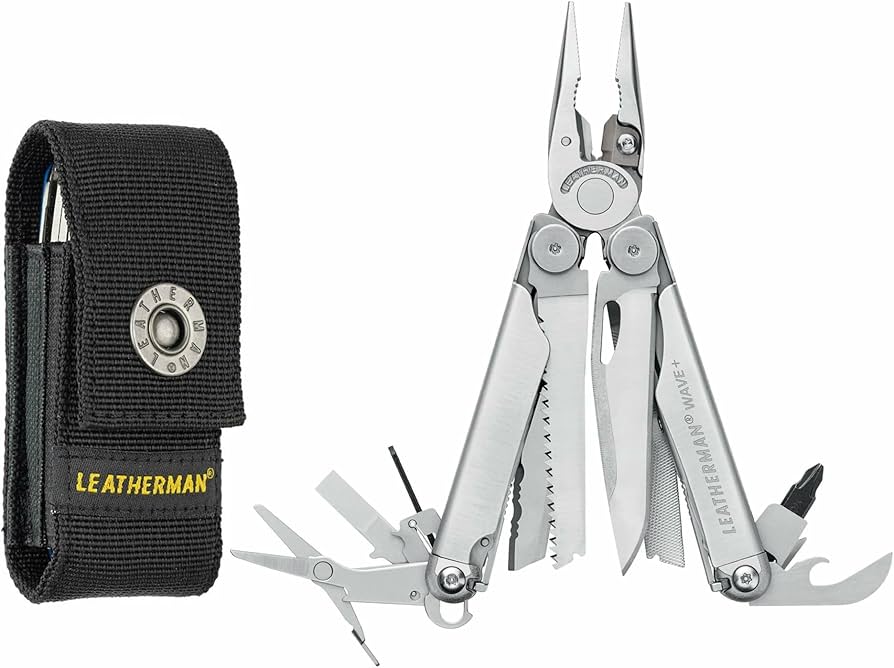
Leatherman Wave+ Multi-Tool
18 tools in one. Made in USA. The gold standard of multi-tools.
(affiliate link)
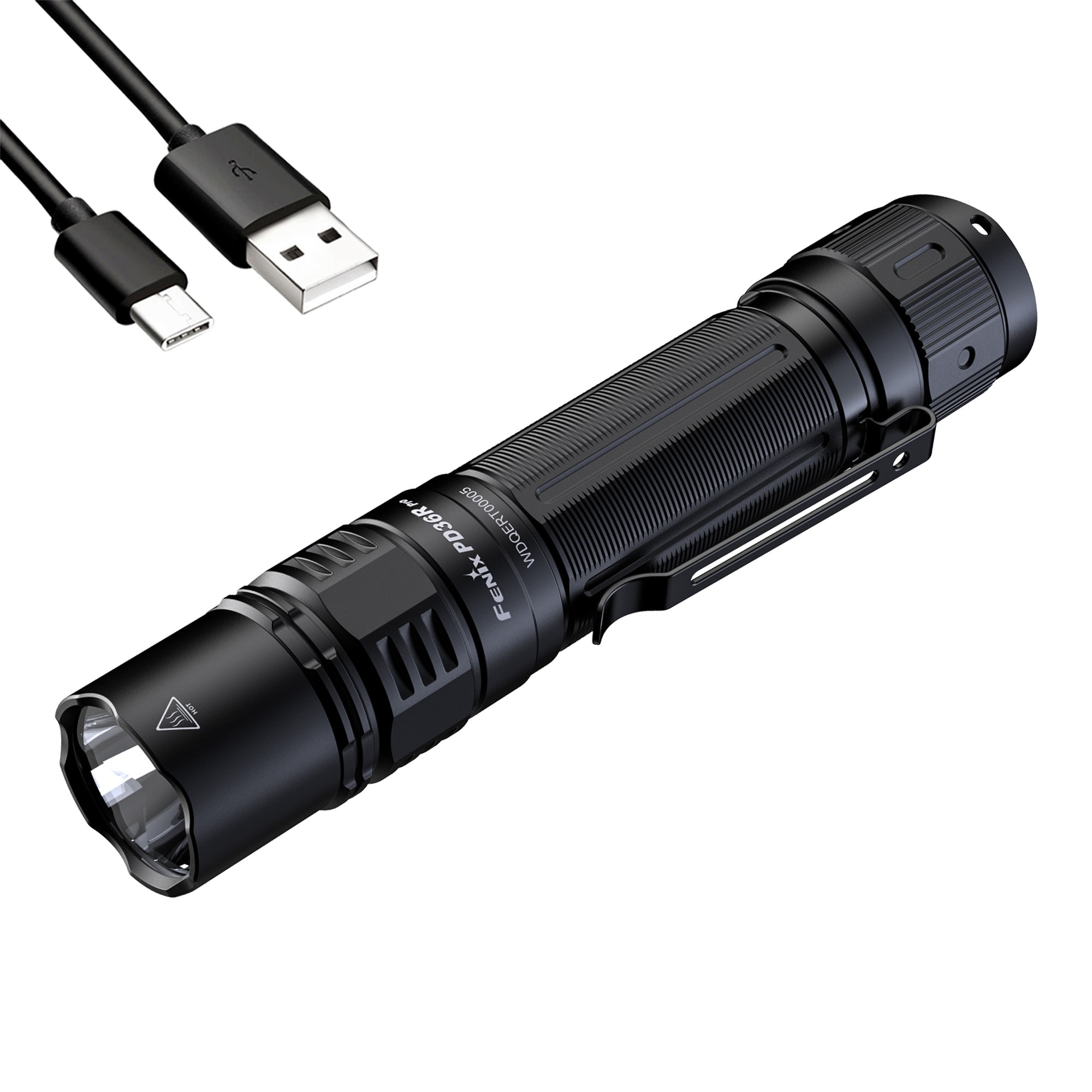
Fenix PD36R Rechargeable Flashlight
1600 lumens, USB-C rechargeable, IPX8 waterproof. Professional grade.
(affiliate link)
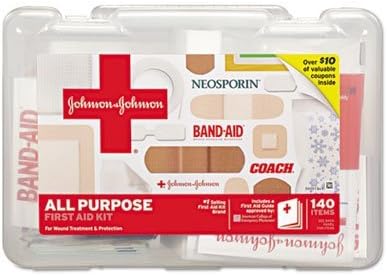
Johnson & Johnson First Aid Kit (140-Piece)
Complete 140-piece kit in a portable case. Ready for home, car, or trail.
(affiliate link)

Emergency Mylar Blankets (10-Pack)
Retain 90% of body heat. Waterproof, windproof. Essential for any kit.
(affiliate link)
More Survival Articles
5 Best Emergency Supplies for Power Outages on Amazon (2026)
A research-based emergency-kit guide with five high-rated essentials for light, hands-free tasks, first aid, compact warmth, and simple utility jobs during a power outage.
Survival5 Best Camping Chairs on Amazon in 2026 — Tested & Ranked
Stop suffering in cheap, flimsy camp chairs that dig into your legs. Here are the 5 most comfortable, durable camping chairs on Amazon for every budget.
SurvivalBest Mosquito Repellents 2026 — What Actually Works (Tested)
From the Thermacell LIV system to sprays and zappers — here's what actually keeps mosquitoes away based on real testing.